



What is alcohol?
Alcohol is produced by fermentation of liquids containing sugar and starch. Alcoholic drinks vary in colour and taste because of the ingredients used in them. The alcohol we drink is called ethyl alcohol.
Why do effects of alcohol vary from person to person?
Alcohol is directly absorbed into the blood stream through the stomach and small intestine. Food in the stomach slows down the rate at which alcohol is absorbed but does not prevent intoxication or drunkenness. Alcohol is distributed throughout the water in the body and not into fatty tissue.
The effects of alcohol vary from person to person. It depends upon many factors like
| Age | health status |
| weight | Mood |
| Gender | How used the person is to drinking alcohol |
Effects of alcohol on the body?
Contrary to common beliefs alcohol is a depressant drug and not a stimulant. It slows down the activity of the brain and affects concentration and coordination.
Immediate effects
It will make you unfit for driving and using machinery.
Long term effects
If you drink heavily for a long period of time alcohol can cause damage to various parts of the body. It can affect every system of the body.
Nervous system
Like depression, psychosis, suicide rates are higher
Liver
Heart
Lungs
Pancreas
Inflamed pancreas causing pain
Sex Organs
Male:
Female: damage to the foetus if pregnant
Blood
Changes to the red blood cells
Stomach
Ulcers
Intestines
Ulcers
Symptoms of alcohol dependence?
Symptoms of alcohol dependence are
What is a standard drink?
A standard drink is defined as one that contains 10 grams of pure alcohol.
The following are all equal to approximately to one standard drink.
What is low risk drinking?
Drinking alcohol will affect your body irrespective of how little you drink. However research has shown that the risk increases if the quantity of alcohol consumption increases.
Standard drinks per day
| Scale of risk | Low | Harmful | Hazardous |
| Female | Up to 2 SD | 3-4 SD | >4 SD |
| Male | Up to 4 SD | 4-6 SD | >6 SD |
SD= Standard drink
Remember drinking is harmful to the body IF YOU DO NOT START YOU WILL NOT HAVE TO QUIT. So say no to alcohol every time.
What are the differences between men and women drinking alcohol?
Research has shown that alcohol affects men and women differently.
If a man and women drink exactly the same amount of alcohol the women will have a higher blood alcohol level concentration (BAC). A women body contains more fat tissue and less water than a man’s body and they are often smaller than men. Hence the alcohol will be more concentrated in women’s body, producing a higher BAC. Women also breakdown alcohol more slowly than men.
Women may develop liver damage and other health problems at lower levels of alcohol consumption than men.
Women who take the contraceptive pill may take longer to get rid of alcohol in their bodies than women who are not taking the pill.
What is the effect of alcohol on pregnancy?
Alcohol crosses the placenta to the baby. It can cause problems in pregnancy such as bleeding, miscarriage, stillborn and premature birth. It is not known whether or not there is a safe level of alcohol in pregnancy.
Babies who are born to mothers heavily dependent on alcohol can have withdrawal symptoms after birth like tremors, irritability, fits and bloated abdomen.
Remember in pregnancy no alcohol is the safest approach.
How to drink less?
A few techniques to reduce drinking are as follows
How to help a person to seek help from doctors for drinking problems?
This is a common problem family members and carers face when dealing with people who are dependent on alcohol.
Remember for the treatment to work we need to have a person motivated to stop drinking alcohol.
What is the CAGE questionnaire?
This is a questionnaire to screen persons for alcoholism. The questionnaire asks the following questions
If you have 2 yes to the above questions, you must be investigated for alcohol dependence.
What is the treatment for alcohol dependence?
Alcohol dependence is treated in two stages.
Stage 1: medications will be given to reduce the withdrawal symptoms and the medications will gradually be tapered off.
Injections will be given to replenish the loss of vitamins due to drinking.
Stage 2 : medications will be given to reduce the craving for alcohol and if the patient is suitable medication will be given which causes an unpleasant reaction if the patient drinks alcohol while on the medications.
During this stage cognitive behaviour therapy will be adviced which will help patient to stay away from alcohol and also handle the issues that lead to the person drinking alcohol.
Remember many people have gone through the treatment and have stopped alcohol permanently, you also can.
Can alcohol dependence be treated on outpatient basis?
Alcohol dependence can be treated on outpatient basis and it is as effective as in patient care. The patient must be motivated to stop alcohol and he must have a good support system.
Who should be admitted to a rehabilitation centre?
If a person has tried numerous times to stop drinking alcohol by himself, with medical supervision both outpatient and inpatient then it would be worth to try a rehabilitation center were the patient can stay for a few months.
Remember to admit the patient to a centre which has a psychiatrist supervising the treatment process and always do your research regarding the rehabilitation center before admitting the patient there.
| Adults: |
| First consultation Psychiatry – ₹ 1700 |
| Follow up consultations– ₹ 1250 |
| Overseas : |
| First consultation Psychiatry – ₹ 3750 |
| Follow up consultations– ₹ 3750 |
| Children : |
| First consultation Psychiatry (below 16 years) – ₹ 2000 |
| First consultation Psychiatry – ₹ 2000 |
| Follow up consultations– ₹ 1250 |
| Behaviour Therapy With videos (where applicable) – ₹ 2750 For Domestic patients (price for half an hour session) |
| Cognitive Behaviour Therapy – Domestic ₹ 3000 And ₹ 3750 For overseas patients (price for half an hour session) |
| Marital therapy – ₹ 3000 price for half an hour therapy. (Rs 2750 per person) |
| Biofeedback – |

Consultant Psychiatrist
Dr. Vijayakumar D.R is a senior psychiatrist with more than 22 years of experience in handling mental health issues in India, Australia and the United Kingdom.
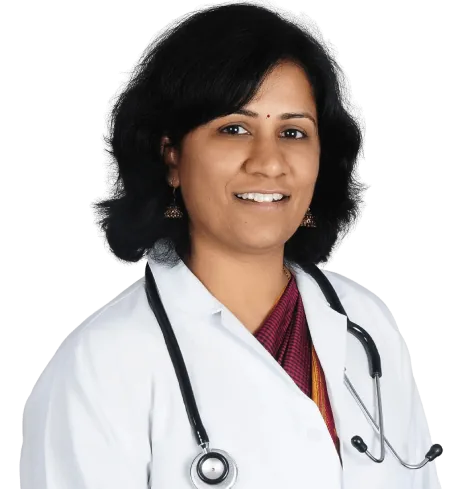
Consultant Obstetrician and Gynaecologist
Dr. Madhu Shree Vijayakumar, Is an obstetrician and gynaecologist with about a decade experience in addressing women's health problems from adolescence to post menopause.



| Monday, Wednesday, Thursday, Saturday | Online Consultation |
| Tuesdays and Fridays | Offline Consultation |
Consultation by appointment only
Call: +91-82961-12250
139/A, 10th Main Road,
RMV Extension, Sadashivanagar,
Bengaluru-560 080
© 2026 Manasvi Specialists | All Rights Reserved | Website Developed by EchoPx.com